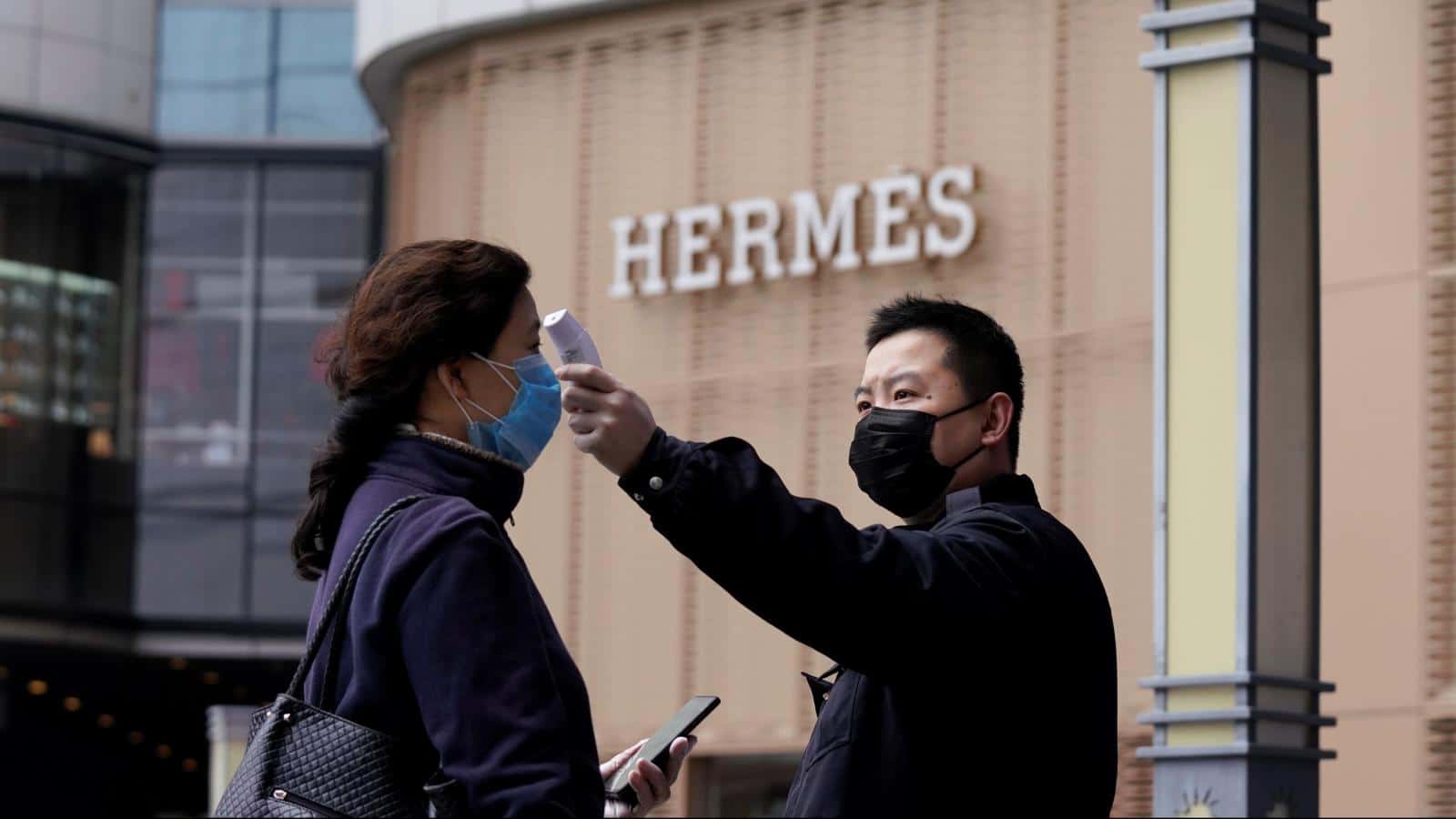
Back in the early months of 2020, the Coronavirus outbreak presented a seemingly enormous threat to the trillion-dollar luxury market. From national lockdowns and closed borders to financial recession and stock market crashes, the implications were known to be huge. Yet, despite this, researchers of the luxury services and goods industry suggest that a recovery is in sight.
Below you’ll find some insight on how the pandemic has affected the industry as a whole, and what we should expect in the years to come.

The tie between travel and luxury goods sales
In the luxury industry, travel plays an extremely important role in sales numbers. This sector appeals to the global consumer, as up to 30% of industry revenue is made by customers purchasing luxury goods outside of their home countries. A huge part – 35% to be exact – of luxury consumers are Chinese. Furthermore, the majority of that consumer group travel into Europe to make those big purchases, as about 150 million trips abroad by Chinese citizens were recorded just in 2018. Chinese tourists have been found to spend most on luxury goods when travelling, and long-haul travel, in general, has always been a huge driver of luxury sales. With France, Italy, and the UK being preferred destinations for Chinese visitors, the cessation of travel into Europe and long-haul travel has been a huge factor playing into the downfall of the luxury industry. To successfully re-capture the high-spending consumers in their home countries, brands will have to focus on creating coveted and tailored local experiences and events, as the process of buying is just as important as the sale.
This can be seen as well when comparing the numbers of brands which are most popular amongst the Chinese consumer – such as Louis Vuitton, Gucci, Cartier, and Dior – and those which are less popular – think Hugo Boss and Ralph Lauren. The less popular brands will have a harder time catching up and recovering from the disruption caused by COVID-19.
The luxury giant LVMH saw its organic revenue decrease by 38% in June of 2020, but that did not correlate with operating costs, which only went down by 29%. The luxury industry is a high expense business and there are limited variable costs that can be cut without jeopardising the extravagance and opulence of luxury products. This means businesses in the luxury industry, such as the LVMH giant who don’t want their reputation as a luxurious and innovative brand to be tarnished, have less flexibility in cutting costs.

Ownership over experience
In the past decade, we saw a shift in popularity away from luxury goods towards embracing luxury experiences and holidays. High-end hotels, resorts, restaurants, and cruises became the focus as they grew dynamically and quickly within the luxury sector. Millennials began to crave “Instagrammable” experiences which could be and shared with the world rather than just tangible items. Older generations similarly moved towards the ‘experience over ownership’ mindset after years of luxury-item focused spending. Although the trend of ultra-rich looking to spend their money on breath-taking experiences is not going to change anytime soon, the restrictions and travel complications of COVID-19 have shown that consumers are temporarily reverting to prioritising luxury goods over experiences.

Epitomising the spirit of luxury brands online
One main takeaway is that the importance of digital eCommerce will be elevated to new levels essential for the survival of many luxury brands. The luxury industry depends heavily on making an experience out of the sales process, but seeing as the private and experiential events in physical space are not an option for the moment, digital-based interactions need to be raised to a different standard.
Retail Advisor President Stacey Widlitz says luxury brands need to wake up and catch up with the rest of the world on innovatively digitalising their brands. In general, the luxury industry has been lagging behind on the eCommerce front. This can be attributed to the core concepts of luxury being the human experience and having dedicated sales personnel present in physical boutiques. In reality, luxury brands use an experiential approach to distract from the inelegance of transaction – personal shopping, invitation-only events, and catwalk shows help take the focus away from the physical act of buying which is deemed somewhat gauche in wealthy circles.
In short, luxury brands are masters in making it less about the hard-sell and more about the experience, lifestyle, and feeling. This powerful tool will be brought more heavily into the digital world to reel customers back into the market.

Anticipation of consumer behaviour
The consumer is considered to be ultimately as important as a shareholder in the luxury sector. Once restrictions loosen, surely consumers will be ecstatic to resume the normalities of life. However, what is considered normal may look very different, and luxury companies will be anticipating the upcoming trends of what “normal” will be. One trend in particular that has taken off, and is rumoured amongst CEOs to intensify post-crisis, is the interest and desire for sustainability and responsibly-sourced items and consumption. Furthermore, judging by previous experience and analysis of trends after large-scale crises that cause heavy emotional tolls, consumer preferences have been seen to shift; for a period, luxury consumers’ will be drawn towards less bling, bold, and dramatic items and instead opt for “silent luxury”, which focuses more on heritage, craftsmanship, and classical elements.

Overall, there seems to be light at the end of the tunnel, and despite the many challenges and changes that will be faced in the future, the luxury industry’s ability to adapt and innovate itself will be its biggest helping hand.
Discover benefits of our card selection
Whether it is to unlock invitation-only privileges, execute high-value purchases without limits, access rare global experiences, or rely on discreet 24/7 personal assistance anywhere in the world
Become a Member
Insignia is the leading premium payment card and award-winning luxury lifestyle management provider designed to
meet the needs of high-net-worth individuals and their businesses.
We’d like to take a few moments to ask some quick questions to ensure we are well suited to your needs.
Which of our services are you considering?
Which personal card are you interested in?
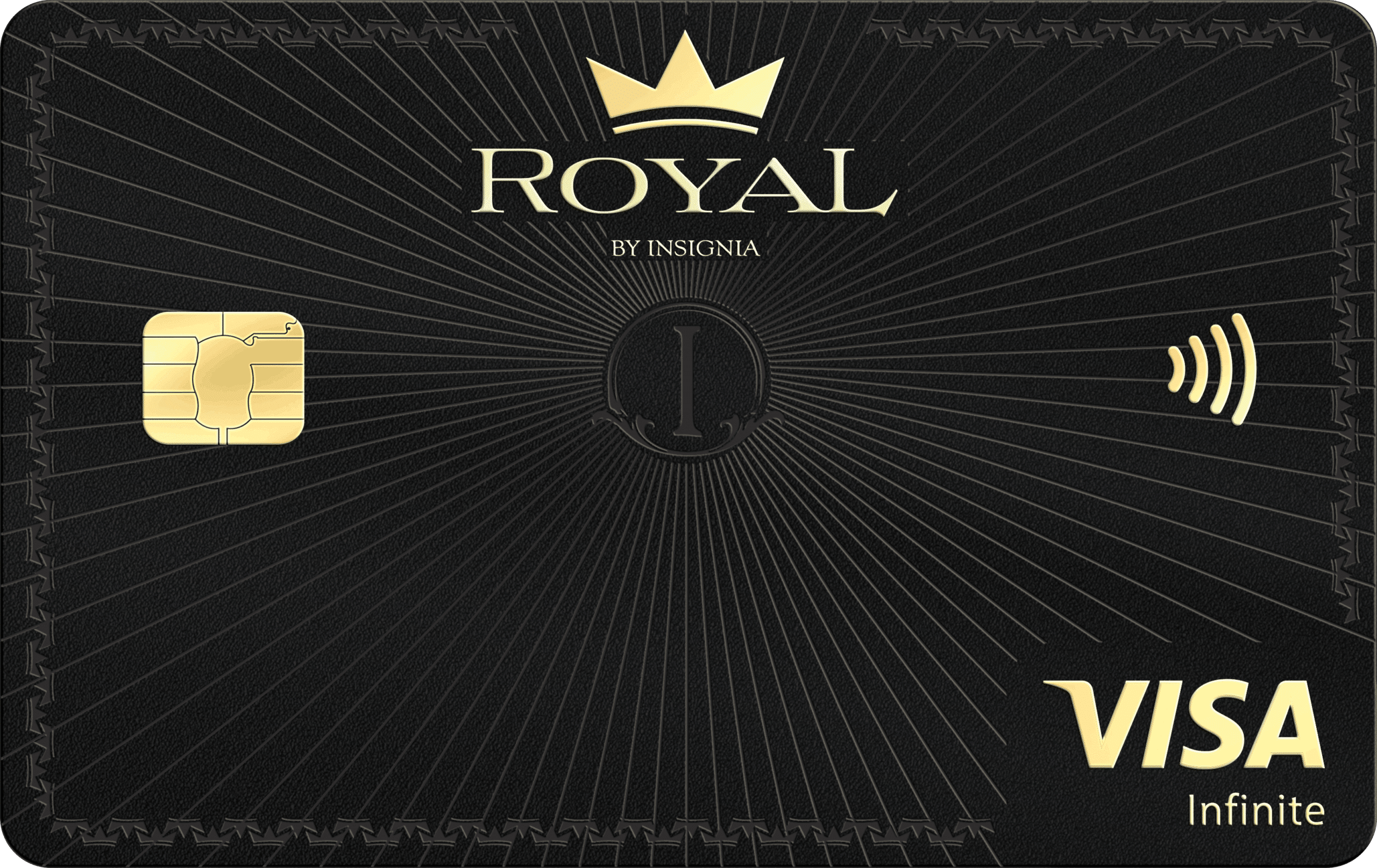
Insignia Royal Card
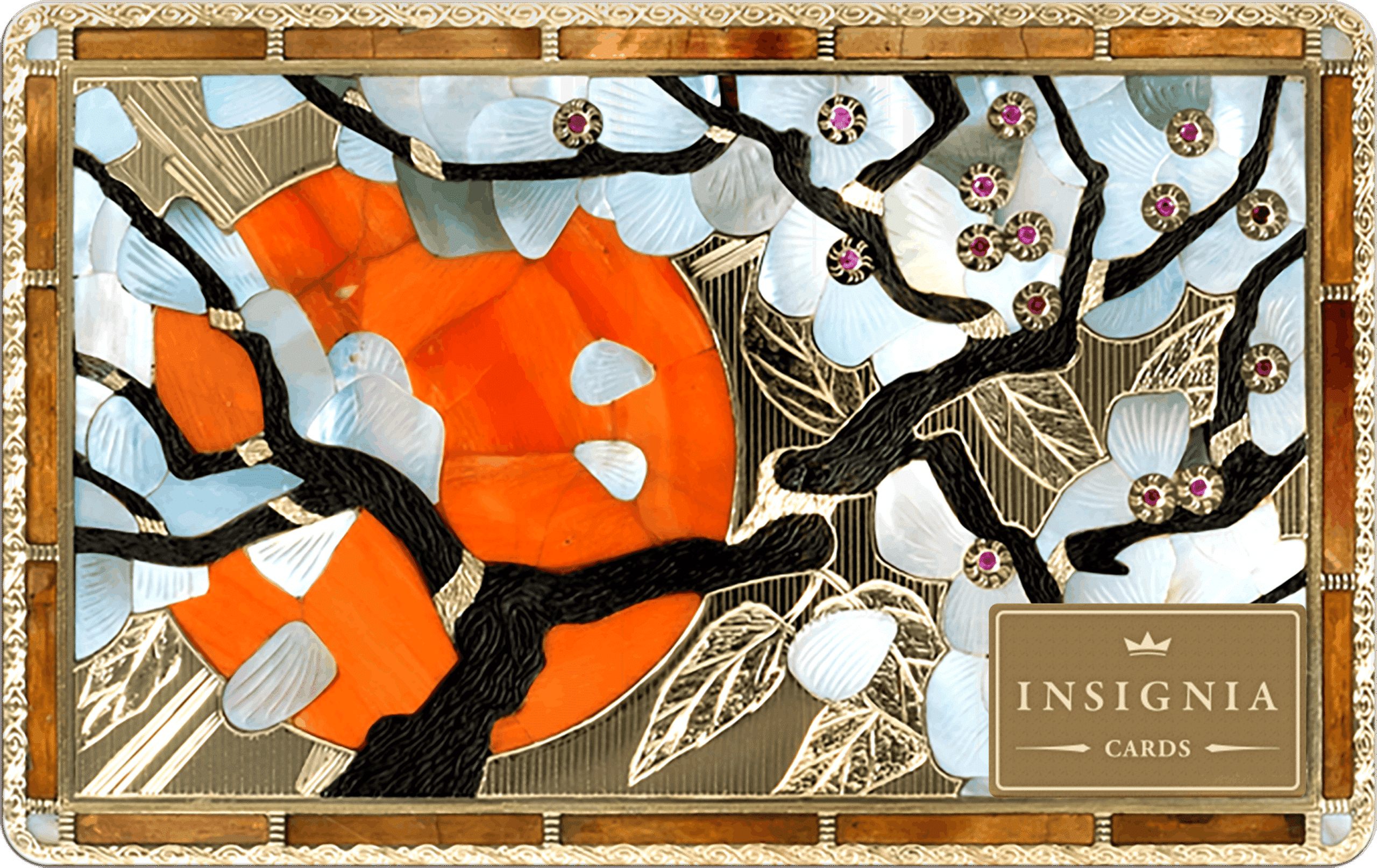
Insignia Jewellery Card
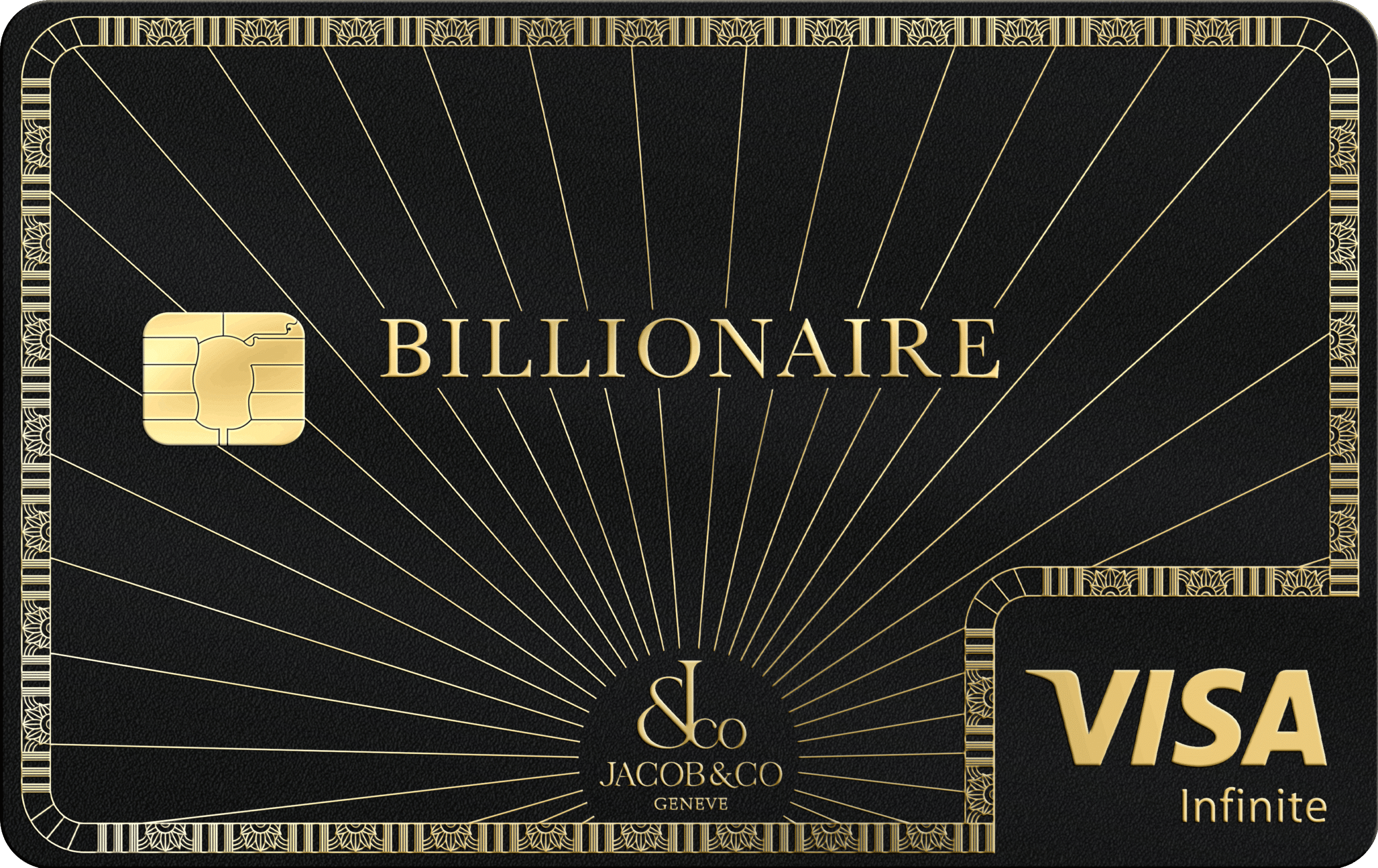
Billionaire Card

Insignia Wellness Card
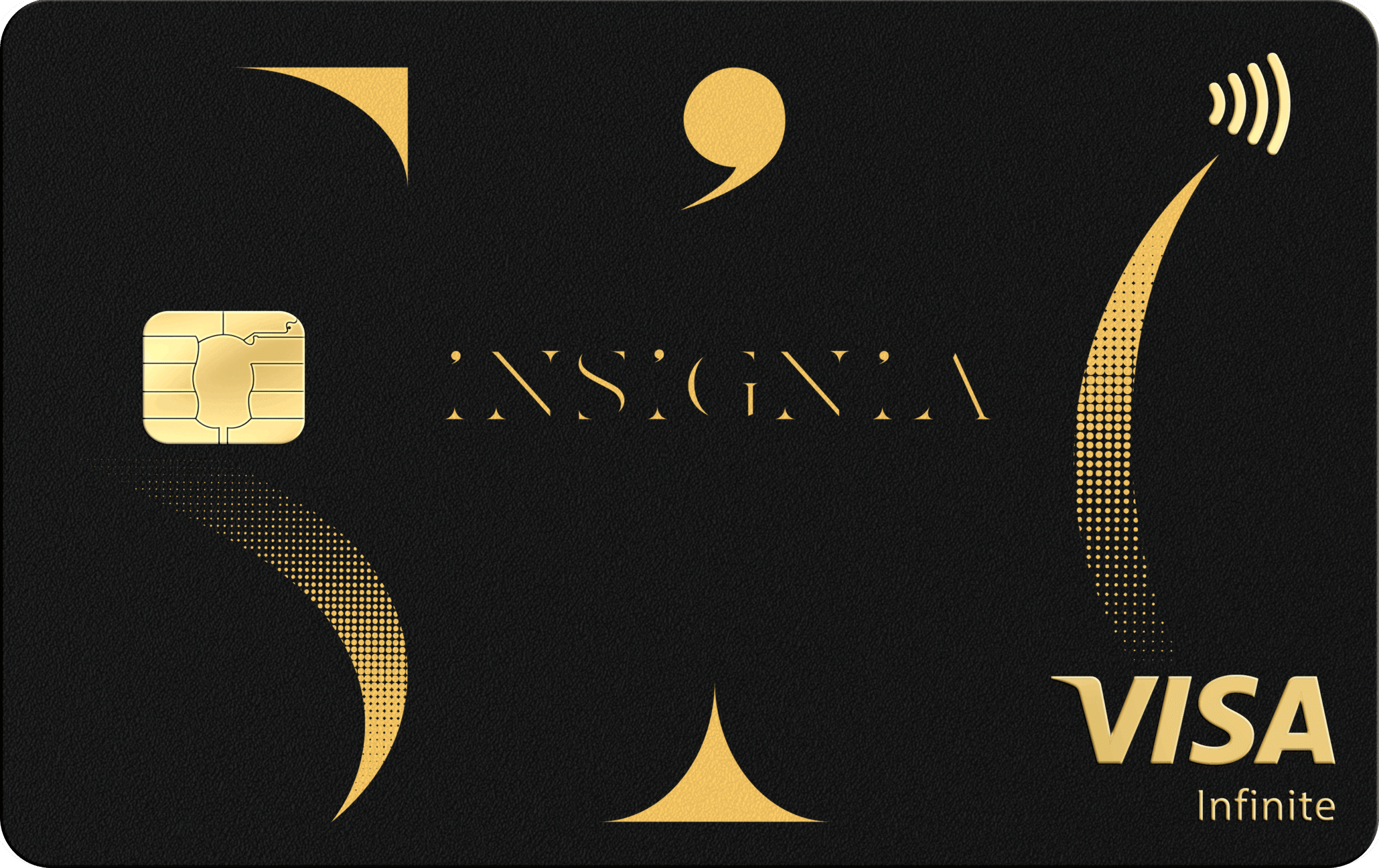
Insignia Label Card
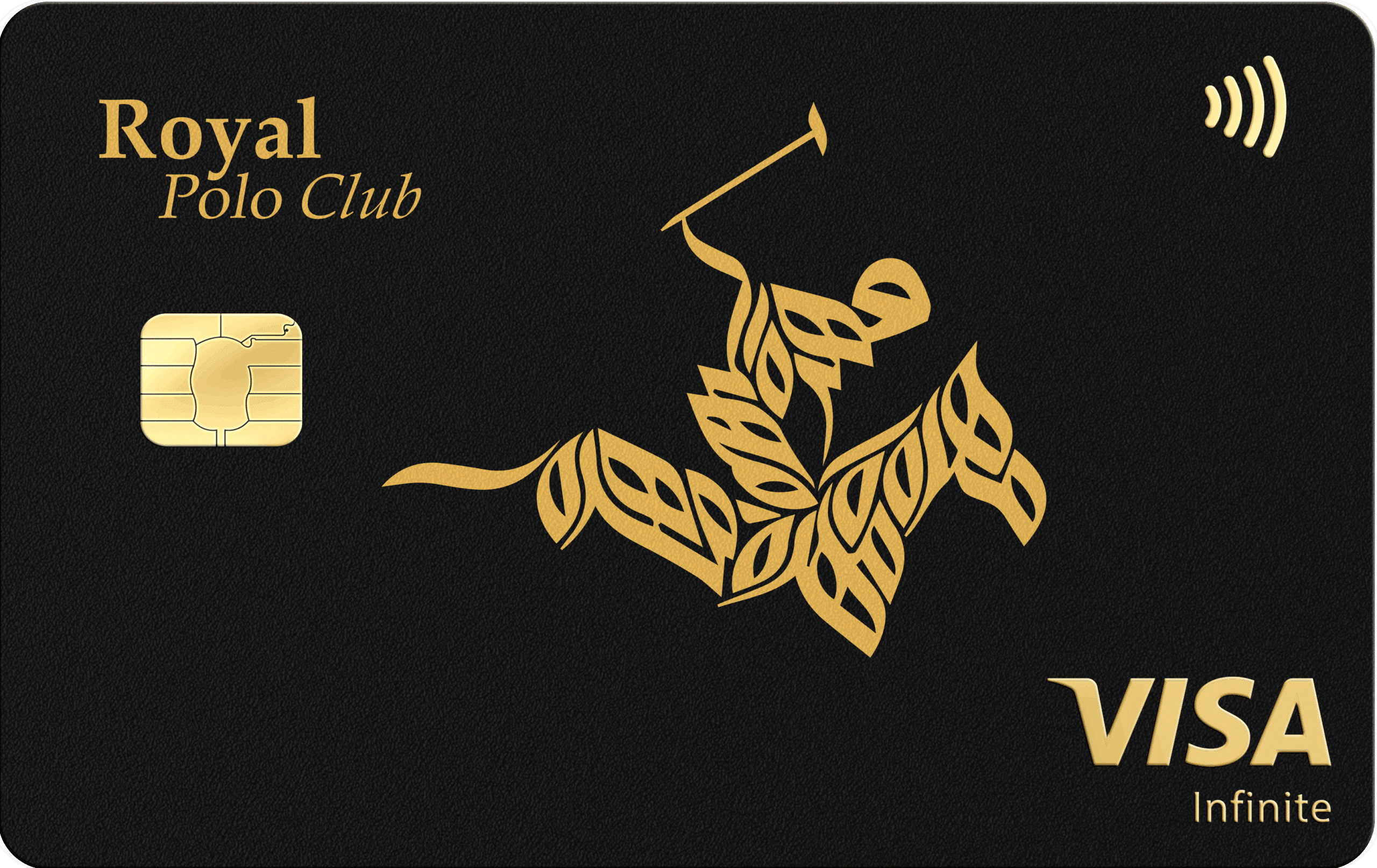
Royal Polo Club Card
Which business card are you interested in?
C by Insignia Card
Our Lifestyle Service
Our award-winning and industry-leading luxury lifestyle and corporate hospitality services (“concierge”) are included across all of our card products. However, for those interested a more streamlined onboarding and compliance process, we also offer our concierge services as a standalone proposition.
To register your interest, please complete the form: